

The next generation of intelligence relies on context, not compute
AI performance is no longer driven by scale alone. Organised, connected context through knowledge graphs is emerging as the key to accurate, reliable enterprise intelligence.
AI performance is no longer driven by scale alone. Organised, connected context through knowledge graphs is emerging as the key to accurate, reliable enterprise intelligence.

The 2025 Cyber Breaches Survey exposes the UK’s widening cybersecurity gaps—underscoring urgent leadership, cultural, and supply chain vulnerabilities that demand immediate, coordinated action.

Effective data governance transforms from compliance task to strategic enabler—building trust, driving innovation, and aligning analytics with real business outcomes for long-term success.

Jesús Barrasa of Neo4j explains how Agentic AI, powered by connected data and graph technology, enables smarter, autonomous decisions with greater trust, accuracy, and insight.

Global AI innovation is outpacing regulation, exposing critical risks like data poisoning and supply chain vulnerabilities. Businesses must act now to secure their AI ecosystems.

AI is transforming B2B ecommerce—powering personalisation, automating sales, and optimising supply chains—to help businesses meet rising buyer expectations and drive smarter, data-driven growth.

To maximise AI project success, define clear goals, secure data access, embrace iterative learning, and don’t fear pausing or pivoting when needed—progress comes from persistence.

AI-driven multi-cloud strategies are vital for modern businesses. They enhance agility, optimise costs, bolster security, and maximise AI workload efficiency, ensuring long-term competitiveness.

Hackers are evolving, leveraging AI and malware-as-a-service to target organisations. Matt Berzinski of Ping Identity explores how businesses can turn the tables on cybercriminals.

Simon Levitt, Global Creative Technology Director at Imagination, explores how digital storytelling transforms yet-to-launch products into immersive brand experiences, building anticipation and driving pre-orders before launch.
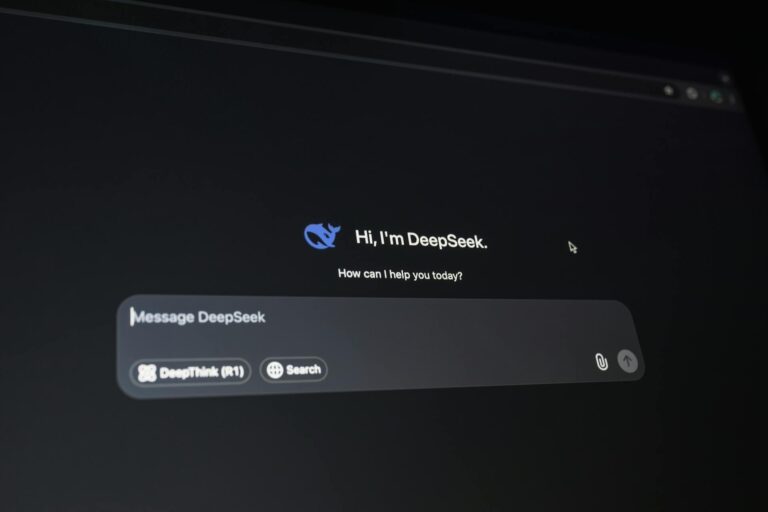
DeepSeek’s open-source AI disrupts Silicon Valley’s dominance, promising efficiency but raising data privacy concerns. Explore its impact on AI democratisation, security risks, and ethical considerations.

AI-powered safety solutions are revolutionising fleet management by proactively addressing risky driving behaviours, enhancing safety, and optimising operations through real-time data and personalised coaching.

AI in creative production is reshaping brand engagement. By blending AI efficiency with traditional creativity, brands can enhance authenticity, trust, and deliver personalised, impactful experiences.

Sreelakshmi Kolli, EVP at Align Technology, emphasises empowering women in tech through mentorship, inclusive policies, and leadership development to foster long-term career growth and impact.

Courtney Bennett, Director at Databricks, explores how AI agent systems are transforming UK enterprise AI, offering precision, trust, and tailored solutions for businesses’ unique challenges.

Dr. Ben Goertzel examines the strengths and limitations of LLMs in software development, discussing their role in creative coding and AGI research.

Alex von Schirmeister, Managing Director of Xero UK, highlights the growing digital divide for small businesses and urges action to support their digital transformation and future prosperity.

Evan Kaplan, CEO of InfluxData, explores how real-time, high-resolution time series data fuels AI-driven autonomy, enabling industries to optimise operations, predict outcomes, and automate decisions.

Private 5G is transforming stadiums, enhancing security, reducing costs, and enabling immersive fan experiences. Dedicated networks provide seamless connectivity, supporting IoT, AR, and real-time data insights.

John Sullivan, VP at IBM Global Business Services UKI, discusses how businesses can move beyond GenAI proof of concepts, overcoming challenges like data quality, operating models, and reuse to scale enterprise-wide adoption.

The DeepSeek R1 model’s launch disrupted the AI industry, showcasing China’s unexpected innovation in AI despite US export restrictions, causing a $1 trillion market loss

Vadim Vladimirskiy, CEO of Nerdio, shares lessons on scaling a business sustainably, focusing on adaptability, customer-centric innovation, and cultivating a strong company culture.

Alcatel-Lucent Enterprise’s Moussa Zaghdoud on the challenges and opportunities of a shift to hybrid cloud, and the future of tech teams

Picture a beach. Now: imagine every grain of sand on that beach knitting themselves together in real time. Concentrate on each of the billions upon

What are the forces shaping software and data-driven industries in 2025? Hint: It’s AI, says our panel of experts.

The creative agency that is combining cutting-edge technology with best-in-class talent.

Inside Lenovo’s technological drive towards true customer centrality.

How long-standing BPO provider Innovation Group successfully transformed around a cutting-edge technology platform for insurance claims management.

UK’s Digital Catapult bridges research to industry with AI, quantum computing, 5G, IoT, and more. Outgoing CEO Jeremy Silver reflects on past and future trends.

Anthony Scriffignano, one of the world’s leading data scientists, talks AI, Big Data and Alice in Wonderland

A Q&A with Kathryn Baddeley, Cisco’s Head of Corporate Social Responsibility for UK & Ireland

AI is revolutionising supply chains by enhancing efficiency, resilience, and collaboration—empowering humans to focus on strategy while machines handle complexity, risk, and repetitive tasks.
The 2025 Cyber Breaches Survey exposes the UK’s widening cybersecurity gaps—underscoring urgent leadership, cultural, and supply chain vulnerabilities that demand immediate, coordinated action.
Effective data governance transforms from compliance task to strategic enabler—building trust, driving innovation, and aligning analytics with real business outcomes for long-term success.
Jesús Barrasa of Neo4j explains how Agentic AI, powered by connected data and graph technology, enables smarter, autonomous decisions with greater trust, accuracy, and insight.
Global AI innovation is outpacing regulation, exposing critical risks like data poisoning and supply chain vulnerabilities. Businesses must act now to secure their AI ecosystems.
AI is transforming B2B ecommerce—powering personalisation, automating sales, and optimising supply chains—to help businesses meet rising buyer expectations and drive smarter, data-driven growth.
To maximise AI project success, define clear goals, secure data access, embrace iterative learning, and don’t fear pausing or pivoting when needed—progress comes from persistence.
AI-driven multi-cloud strategies are vital for modern businesses. They enhance agility, optimise costs, bolster security, and maximise AI workload efficiency, ensuring long-term competitiveness.
Hackers are evolving, leveraging AI and malware-as-a-service to target organisations. Matt Berzinski of Ping Identity explores how businesses can turn the tables on cybercriminals.
Simon Levitt, Global Creative Technology Director at Imagination, explores how digital storytelling transforms yet-to-launch products into immersive brand experiences, building anticipation and driving pre-orders before launch.
DeepSeek’s open-source AI disrupts Silicon Valley’s dominance, promising efficiency but raising data privacy concerns. Explore its impact on AI democratisation, security risks, and ethical considerations.
AI-powered safety solutions are revolutionising fleet management by proactively addressing risky driving behaviours, enhancing safety, and optimising operations through real-time data and personalised coaching.
AI in creative production is reshaping brand engagement. By blending AI efficiency with traditional creativity, brands can enhance authenticity, trust, and deliver personalised, impactful experiences.
Sreelakshmi Kolli, EVP at Align Technology, emphasises empowering women in tech through mentorship, inclusive policies, and leadership development to foster long-term career growth and impact.
Courtney Bennett, Director at Databricks, explores how AI agent systems are transforming UK enterprise AI, offering precision, trust, and tailored solutions for businesses’ unique challenges.
Dr. Ben Goertzel examines the strengths and limitations of LLMs in software development, discussing their role in creative coding and AGI research.
Alex von Schirmeister, Managing Director of Xero UK, highlights the growing digital divide for small businesses and urges action to support their digital transformation and future prosperity.
Evan Kaplan, CEO of InfluxData, explores how real-time, high-resolution time series data fuels AI-driven autonomy, enabling industries to optimise operations, predict outcomes, and automate decisions.
Private 5G is transforming stadiums, enhancing security, reducing costs, and enabling immersive fan experiences. Dedicated networks provide seamless connectivity, supporting IoT, AR, and real-time data insights.
John Sullivan, VP at IBM Global Business Services UKI, discusses how businesses can move beyond GenAI proof of concepts, overcoming challenges like data quality, operating models, and reuse to scale enterprise-wide adoption.
The DeepSeek R1 model’s launch disrupted the AI industry, showcasing China’s unexpected innovation in AI despite US export restrictions, causing a $1 trillion market loss
Vadim Vladimirskiy, CEO of Nerdio, shares lessons on scaling a business sustainably, focusing on adaptability, customer-centric innovation, and cultivating a strong company culture.
Alcatel-Lucent Enterprise’s Moussa Zaghdoud on the challenges and opportunities of a shift to hybrid cloud, and the future of tech teams
Picture a beach. Now: imagine every grain of sand on that beach knitting themselves together in real time. Concentrate on each of the billions upon